Learn How Businesses Can Make a Difference
Learning Objectives
After completing this unit, you'll be able to:
- Explain how corporate values enable systemic environmental impact.
- Outline the biggest opportunities for businesses to drive sustainability.
At Salesforce, we believe businesses have a responsibility to step up to protect the planet for future generations. The potential of AI to transform our world is profound, and it is essential that the benefits of major technological transformations are broadly shared. However, it’s critical to note that as AI scales, so does its environmental footprint—with impacts on energy, water, and other natural resources. As an agentic Al leader, sustainable Al is a business imperative for Salesforce—and we hope you’ll make it a priority for your company, too.
Discover How Businesses Can Make a Difference
To transform stakeholder expectations into real-world outcomes, businesses must look beyond isolated corporate actions. Here are a few ways organizations can maximize their positive environmental impact:
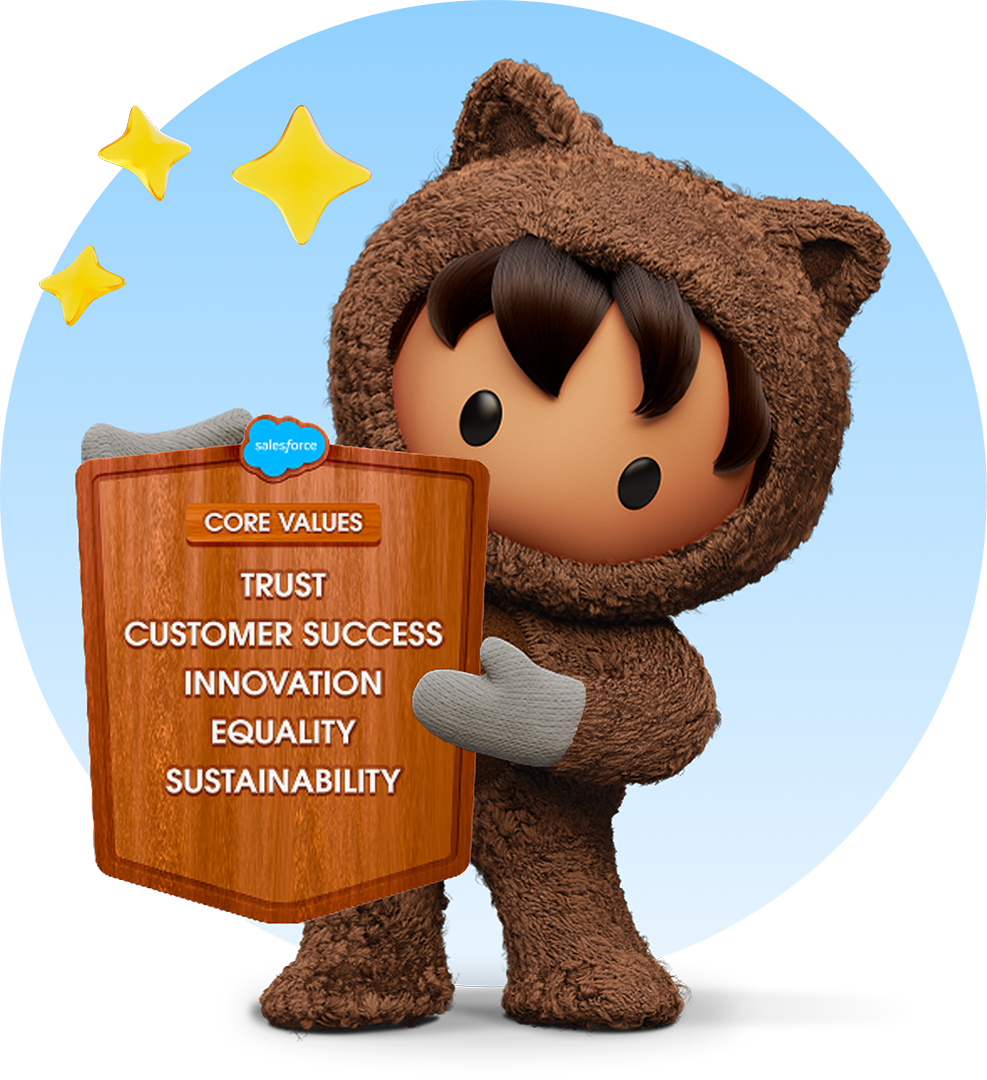
Make Sustainability a Core Value
When an enterprise aligns its operational strategy with the health of the planet, it builds a business capable of navigating long-term risks while contributing to a resilient global economy. Corporate values are not merely ethical guardrails but must be active drivers of long-term value for all stakeholders. When sustainability becomes a strategic north star, it can be operationalized—ensuring that every business decision contributes to both organizational growth and a healthier global ecosystem.

Build Strong Data Foundations and Prioritize Transparency
Sustainable business practices are built on a core principle: you can't manage what you don't measure. Leading organizations prioritize building robust data foundations to move beyond qualitative goals and toward concrete quantitative metrics. By sharing validated claims and audited data, businesses build long-term trust and provide the visibility necessary to understand where key environmental risks and opportunities lie within their model. This transparency is critical not only for regulatory and investor alignment, but for ensuring corporate strategies drive genuine, sustainable growth.
Drive Collective Action and Shared Responsibility
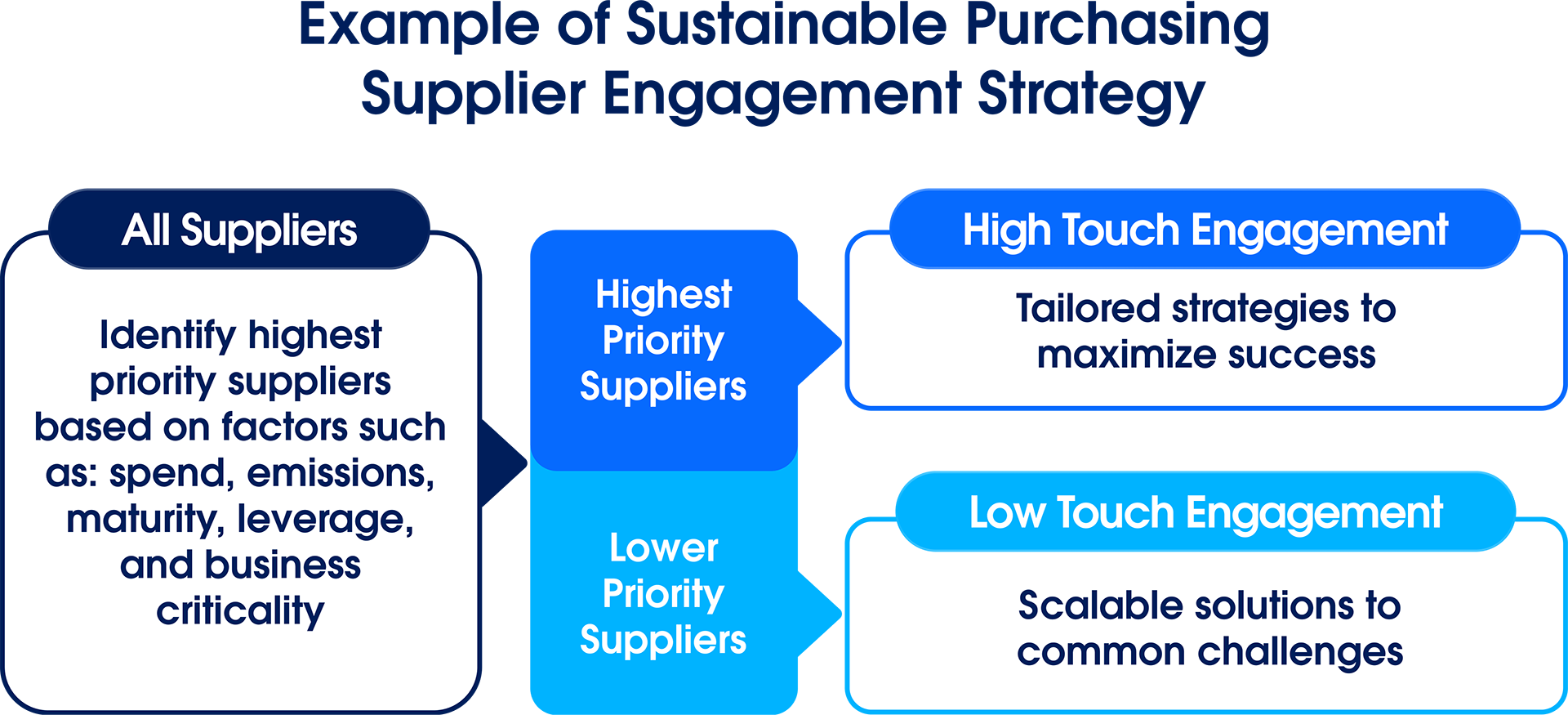
A business's footprint extends far beyond its immediate office walls. Under a shared responsibility model, businesses use their ecosystem presence and purchasing power to influence suppliers, providers, and partners. For example, even without direct control over infrastructure, companies can collaborate across their networks to advance collective commitments around data center efficiency and responsible resource use.
Resources